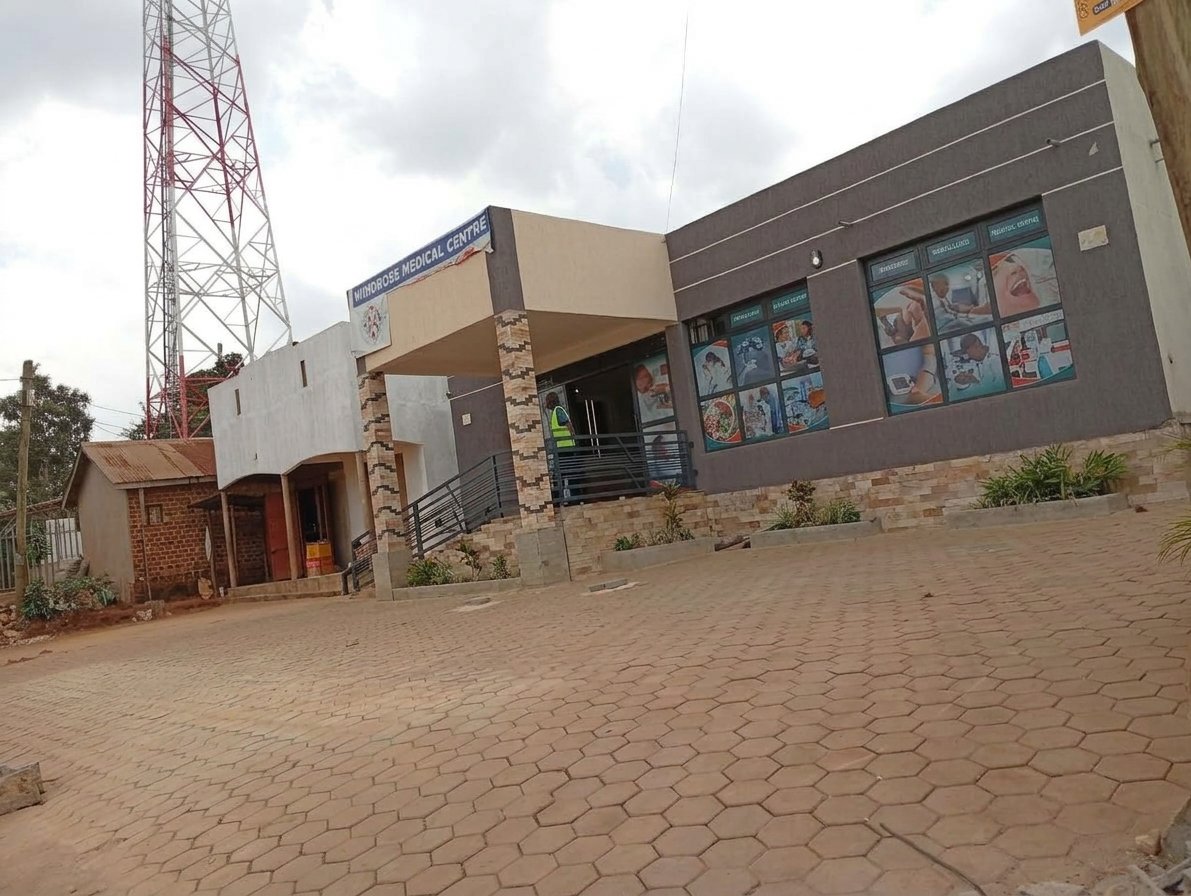


Navigating emergency or specialized medical treatment in Uganda can be daunting. Challenges in emergency care systems, ranging from inconsistent triage protocols to stock-outs of critical care supplies in public health facilities, mean patients often face prolonged waiting times or fragmented referral chains.
The Ministry of Health’s National Emergency Medical Services (EMS) Policy (2021) highlights the vital need for integrated care systems that seamlessly link pre-hospital rescue, swift triage, and specialized clinical stabilization. Windrose Hospital aligns its operational infrastructure with these national standards, ensuring clear, organized care pathways for every patient entering the facility.
The patient experience at Windrose Hospital follows a structured process designed to optimize treatment speed, accuracy, and dignity across three distinct service levels:
1. Emergency Medical Services & Triage Emergencies require rapid, coordinated care. In line with national EMS guidelines, Windrose Hospital maintains a dedicated 24/7 Accident & Emergency (A&E) unit supported by basic and advanced pre-hospital transport.
When an ambulance arrives at the emergency bay, the patient does not wait for registration or payment clearing. The trauma team performs immediate medical triage based on the international South African Triage Scale (SATS), categorizing cases by clinical acuity rather than administrative prerequisites:
- Red (Resuscitation): Immediate life-threatening trauma, severe respiratory distress, or shock. Transferred directly to the critical care resuscitation room.
- Yellow/Orange (Urgent): Severe fractures, acute abdominal pain, or high fever with systemic signs. Managed rapidly in dedicated emergency procedure rooms.
- Green (Non-urgent): Minor injuries or sub-acute illness directed to the outpatient department for routine review.
2. Outpatient Consultations & Advanced Diagnostics For scheduled appointments or non-emergency visits, patients check in using a streamlined registration process. To avoid the long wait times typical of regional health facilities, Windrose Hospital uses a digitized queue system that pairs patient vitals screening directly with clinical consultation rooms.
During general consultations, medical officers review the patient’s complete history, conduct thorough physical examinations, and order precise point-of-care laboratory tests (e.g., full blood count, malaria microscopy/RDTs, organ function panels) or diagnostic imaging (ultrasound and digital X-ray).
3. Specialist Care and Inpatient Management When a condition requires specialized management, such as high-risk maternal delivery, pediatric inpatient care, surgical intervention, or chronic disease management, the patient is transitioned to specialized clinical units. Specialist consultants oversee patient care plans, backed by an pharmacy stocking essential medicines to eliminate off-site prescription buying.
By structuring clinical operations around pre-hospital response, swift triage, accurate diagnostics, and compassionate specialist oversight, Windrose Hospital delivers care that meets national health priorities. Patients receive transparent, dignified, and clinically sound treatment at every stage of their healthcare journey.